

The cost of these specialty ice creams is different from the cost of the standard flavors for reasons such as the unique or expensive ingredients and the specialty packaging. Daryn wants to compare the costs involved in making the specialty ice cream and those involved in making the standard flavors of ice cream. Once the total costs for both the specialty ice cream and the standard flavored ice cream are known, the cost per unit can be determined for each type. These types of analyses help a company evaluate how to set pricing, evaluate the need for new or substitute ingredients, manage product additions and deletions, and make many other decisions. Comprehensive financial management may seem out of reach, but implementing sound financial accounting principles can help your business stay in the black, especially if you partner with the right accounting practice.
- Financial accounting caters to measuring the overall performance, while managerial accounting gives you insights into making organizational decisions.
- Financial accounting and managerial accounting are two essential components of business finance.
- Conversely, managerial accounting looks for bottleneck operations and examines various ways to enhance profits by eliminating bottleneck issues.
- Conversely, management accounting is helpful in analysing the performance so as to make the required strategy or formulate such policies so that organization can succeed.
- You deal with accounting terms like balance sheet and income statements which need precision because these reports are for external users like investors and regulatory bodies.
Accounting standards
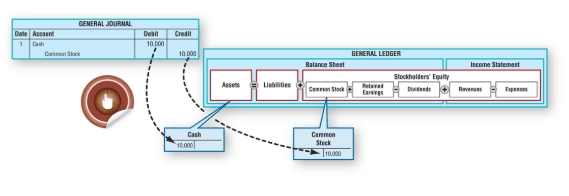
Because it is manager oriented, any study of managerial accounting must be preceded by some understanding of what managers do, the information managers need, and the general business environment. They’re tailored combinations designed to clarify the specific cost drivers and performance levers most relevant to an industry or business model. Managerial Liability Accounts accounting comprises specialized areas that address different aspects of a business. Let’s explore the key methodologies that form the tool kit of today’s managerial accountants. Learn financial modeling, valuation techniques, and risk management to drive strategic business decisions. Financial accountants serve as the backbone of report and statement distribution in and out of the business.
Professional Qualifications of a Financial Accountant

Both disciplines involve processing financial transactions and generating reports, but they serve different purposes and cater to different stakeholders. A https://www.bookstime.com/ deep understanding of these accounting branches is crucial for effective business management. This article will outline the key differences, respective functions, and significance of each for businesses.
Financial vs. Managerial Accounting: Reporting Details
One major difference between financial accounting and managerial accounting is the audience for difference between financial and managerial accounting which the information is intended. Financial accounting is intended for external stakeholders, while managerial accounting is intended for internal stakeholders. A bachelor’s degree in accounting or a related field is generally required for entry into the fields of financial accounting and managerial accounting.
- Choosing between financial accounting and managerial accounting depends on your career goals or business needs.
- Data science is also playing an increasingly important role in financial accounting.
- On the one hand, financial accounting aims to provide financial statements, including measuring a company’s performance to assess its financial health.
- “It’s imperative that organizations create and maintain financial statements that provide an accurate picture of the financial health of the organization.”

It emphasizes detailed and often non-standardized reports that help in strategic planning and performance evaluation. These internal reports are crucial for managers to make informed decisions that drive the company’s success. In contrast, managerial accounting is more flexible and adaptive, utilizing various techniques to support internal decision-making processes. Techniques such as budgeting, variance analysis, and cost-volume-profit analysis are commonly used to provide insights into operational efficiency and strategic planning. This flexibility allows managers to tailor reports and analyses to specific business needs, facilitating more informed decision-making.
“If you have effective communication skills and an understanding of the different departments within a company then managerial accounting could be a good career path.” Current and potential investors review these statements to learn about the financial stability and likely future growth of an enterprise. Since accounting can get pretty complex, different specialties help accountants really hone in on the specific knowledge certain areas demand. Financial accounting is concerned with knowing the proper value of a company’s assets and liabilities. Managerial accounting is only concerned with the value these items have on a company’s productivity. People who have been trained in financial accounting have a Certified Public Accountant designation, while those with a Certified Management Accountant designation are trained in managerial accounting.