
AnxietyMany people use alcohol to reduce feelings of nervousness, tension, or panic. In the short term, drinking alcohol can slow brain activity and provide a sense of calm. This is why it’s often used by those with anxiety disorders as a quick fix to get through social situations or quiet racing thoughts.But the relief is temporary. As the effects of alcohol wear off, anxiety symptoms often return—sometimes more intensely.
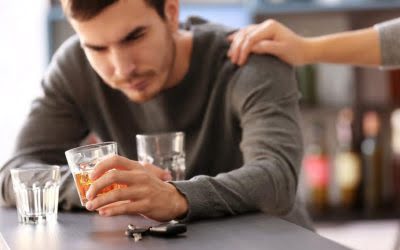
Drinking for Enhancement
Beginnings are primarily made up of recovered alcoholics, so we know why individuals drink—both at the start and after addiction. This article discusses why non-alcoholics https://qoriss.com/2021/02/26/how-does-alcohol-affect-anxiety-and-depression/ drink and the problems of alcoholism. Especially if it’s been a part of daily life for years, the idea of stopping can feel overwhelming. Habits form quietly, and it can take time to recognize when a ritual becomes a reliance.
- Red Ribbon Recovery is committed to delivering transparent, up-to-date, and medically accurate information.
- After a long day at work or during periods of high stress, some people use alcohol as a way to unwind and temporarily escape from their worries.
- However, using alcohol as a coping mechanism for stress is not without risk.
- It’s essential for breaking down solid food and keeping your mouth healthy.
- Littlefield said drinking to enhance positive moods can also have a stronger impact on alcohol outcomes, compared to motives such as drinking to fit in.
Codeine and alcohol: side effects, signs of misuse, and treatment
You’ll also have the opportunity to connect with our licensed Reframe coaches for more personalized guidance. The “hook” that keeps us coming back to alcohol can vary from one person to another. From the ancient Sumerians and Egyptians who brewed beer to the Greeks Twelve-step program and Romans who considered wine an integral part of their diet, alcohol flows through thousands of years of human history.
Drinking Levels Defined
- Alcohol is a depressant, which means it slows down the central nervous system (CNS).
- Research has found that nearly a quarter of individuals with a mood or anxiety disorder self-medicate with alcohol or drugs.
- King is part of the clinical training area under the mentorship of William Corbin, professor of psychology and director of the Behavioral Alcohol Research for Clinical Advancement (BARCA) lab.
- This can make it easier to protect people on the road who might otherwise become a victim of the impaired person’s driving.
- Additionally, exploring alternatives to alcohol for stress relief, social interaction, and mood enhancement can lead to healthier lifestyle choices and improved overall well-being.
It can lead to poor performance in classes, failing tests, declining grades, missing classes, and the potential loss of a scholarship as a result. Student athletes who drink run the risk of losing their ability to compete or even attend the school. Close to half of all traffic fatalities among students are related to alcohol. According to the CDC, moderate drinking for men is defined as drinking two drinks per day. Now that we understand what one drink is, let’s talk about the guidelines for the maximum amount of alcohol you should drink.
Understanding Alcohol Dependence

In these drinking places, individuals often seek social interaction and a sense of belonging, which can enhance alcoholism statistics the enjoyment of alcohol. The physical nature of the establishment can influence the overall drinking culture. For example, more open environments, such as beer gardens or outdoor patios, may promote positive drinking cultures, fostering social connections and a sense of community.